Food trucks, booths and caterers make an event, and they bring their own paperwork. When food is served or sold to the public, Colorado counties ask the event organizer to file a plan, each vendor to hold an approved license, and the fire department to check tents and propane.
This guide walks through the health side, the city side and the fire side, then what it all means for your tents, power, water and layout. Requirements differ by county and city, so confirm the details with your local public health agency and the city hosting the event.
Who Licenses Food at Events
The Colorado Department of Public Health and Environment directly licenses retail food establishments, including mobile food units, only in Clear Creek, Dolores, Gilpin, Moffat, Ouray, Park, Pitkin (except the City of Aspen), Rio Blanco and San Juan counties. Everywhere else, the local public health agency handles licensing. That agency is the one to call about event food.
A food truck's retail food license covers the truck. Many counties also want the event itself reviewed and each vendor approved for temporary events.
The Event Coordinator's Plan Review
Two Western Slope counties show the pattern:
- Mesa County Public Health
- Coordinator Plan Review 30 days before the event; vendor list at least two weeks before; entry and parking passes for inspectors the week of the event
- Garfield County Public Health
- Event Coordinator Plan Review at least 30 days before the event; incomplete plans aren't accepted and late plans may not be approved
In Mesa County, which includes Fruita and Palisade, every food vendor at an event must be approved by Mesa County Public Health and carry an Event Vendor License to show each coordinator; the county asks vendors to allow two weeks for processing. Garfield County, which includes Rifle and Glenwood Springs, has its own Temporary Vendor Application that vendors file before their first event of the calendar year.
Ask every vendor for its current county event license before you finalize the vendor list. A missing license can hold up the whole plan review.
City Permits for Vendors
Cities add their own layer. Erie requires a Mobile Vending Permit for mobile vending anywhere in town, private property included. Rifle requires a City sales tax license for vendors who sell, and asks for the vendor list two weeks ahead. Glenwood Springs requires proof of a City business license or temporary vendor license, insurance from food vendors naming the City and a signed waiver, and a Fire Department safety inspection of food vendors at setup.
Food Tents, Propane and Fire Checks
Cooking under a tent is where fire rules bite. Glenwood Springs' Facility Use Permit Policy lists requirements for food preparation tents that make a useful checklist anywhere:
- Flame resistance documentation tags on the tent
- Propane systems inspected by the Fire Department at each event setup
- Cylinders in working condition with overflow protection valves, secured against tipping, including spares
- Leak-free supply lines routed so they aren't a trip hazard
- A class A-B-C fire extinguisher in each food tent, and a Class K extinguisher where cooking produces grease-laden vapors
Other districts go further. Berthoud Fire doesn't allow cooking under any tent, and Windsor Severance Fire Rescue doesn't allow open-flame cooking under tents, as summarized on the Berthoud and Windsor pages. Ask the local fire district before you plan a cooking line under canvas.
Power, Water and the Site Plan
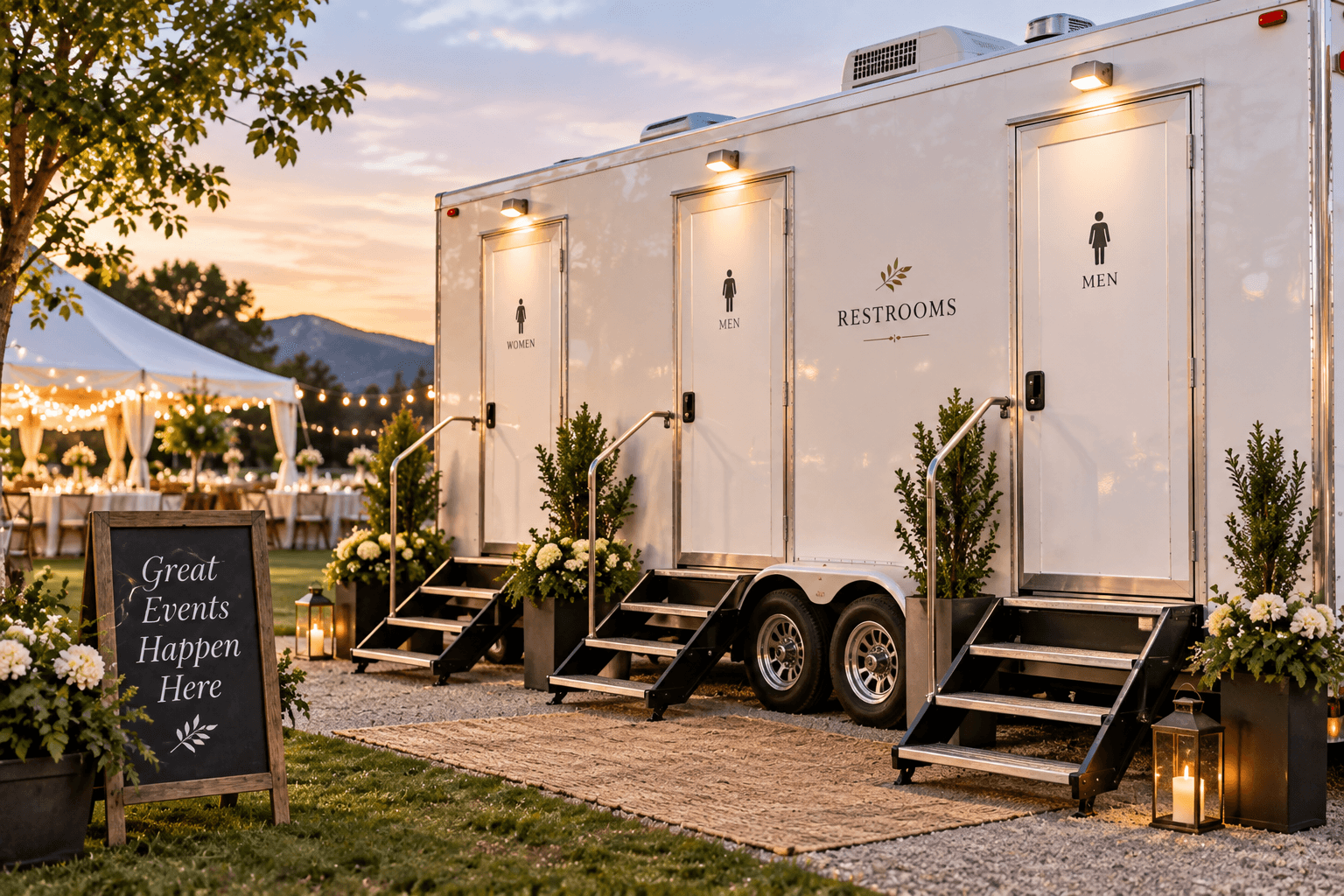
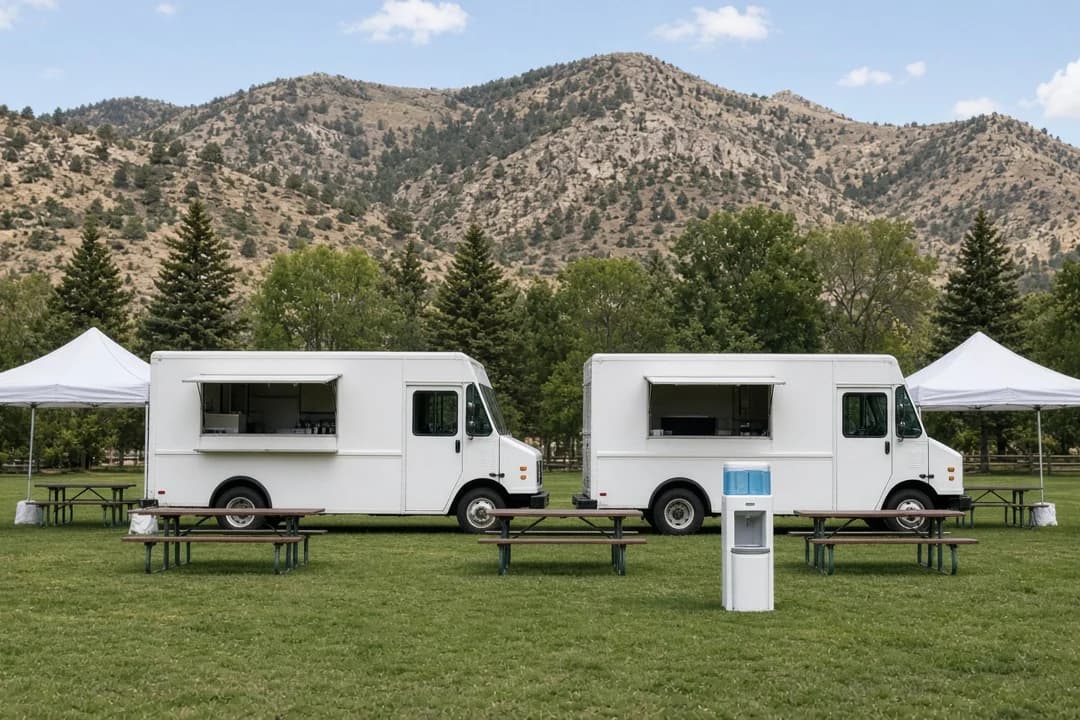
Food vendors need space, power and a way to deal with water. Many city permits ask for a site plan that shows vendor locations, vendor parking, restrooms and trash. Plan these with the rental order:
- Vendor footprints, including the truck length and the service window side
- Tables and canopies for booths, weighted or staked to local rules
- Power: generators placed away from tents and seating, or extension cords sized to the venue's rules
- Water access and a plan for wastewater, confirmed with the vendor and the venue
- Handwashing stations near eating areas and restrooms
- Lidded trash and recycling at each vendor location
Palisade, for example, offers water and electric hookups only at Riverbend Park and specifies extension cord gauges, and Rifle requires lidded trash receptacles at every vendor location.
Questions to Ask Food Vendors
- Do you hold a current event license from this county?
- What city vending, business or sales tax license do you need here?
- Can you send a certificate of insurance naming the city, if required?
- Do you cook with propane, and are your cylinders and lines ready for inspection?
- Do you need power, water or a generator, and how long is your setup?
- How much space do you need, including the service line?
- How do you handle wastewater and trash?