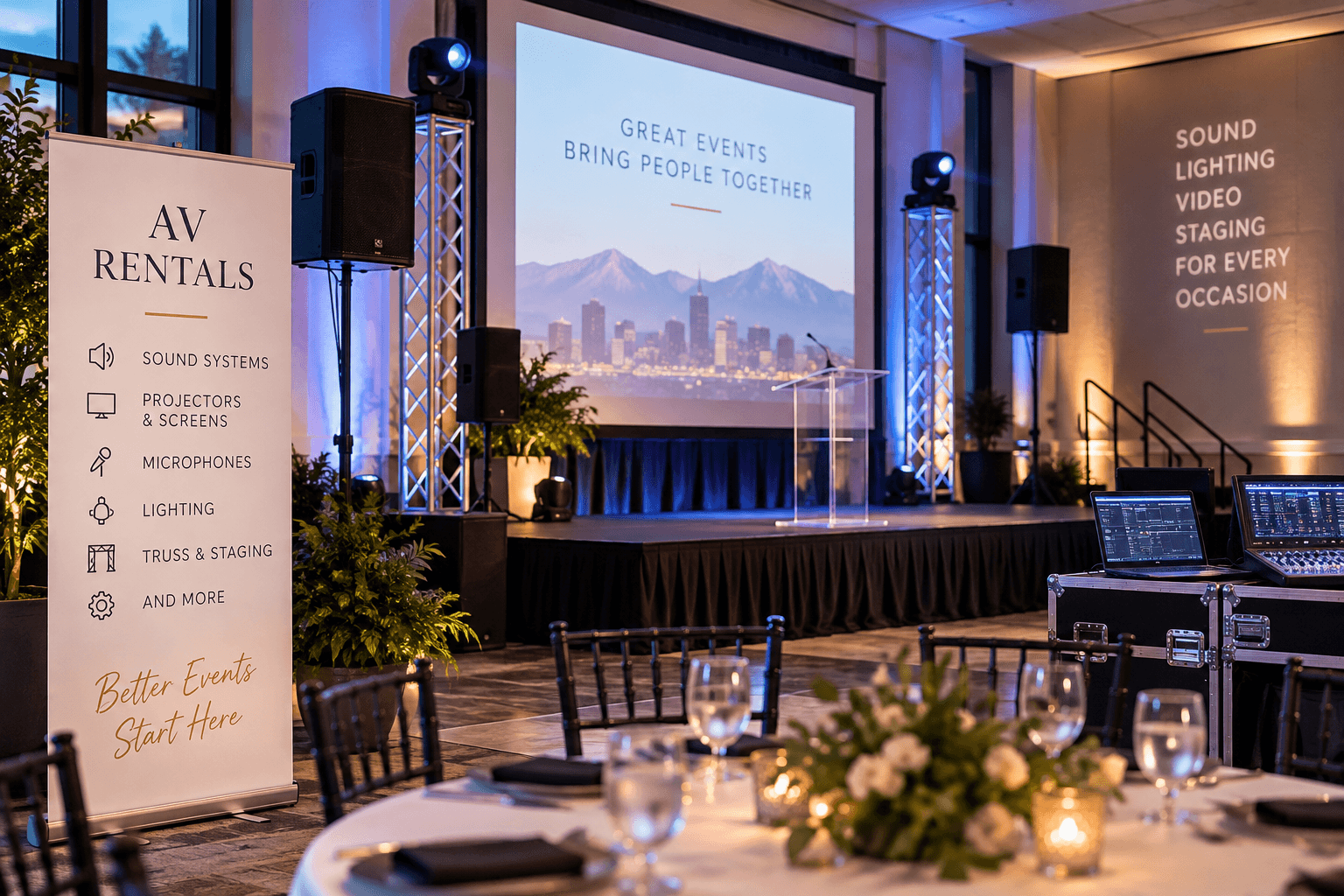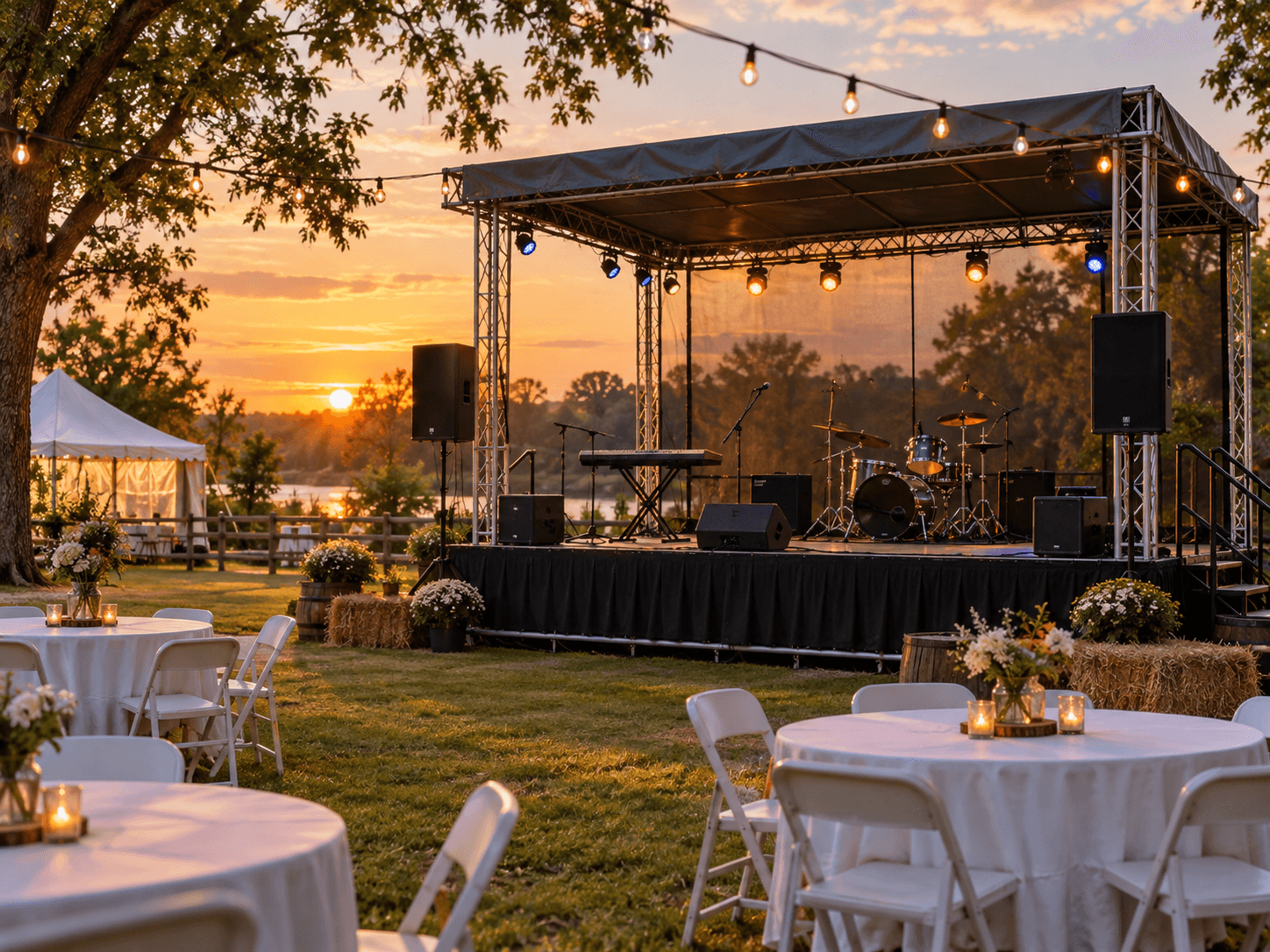
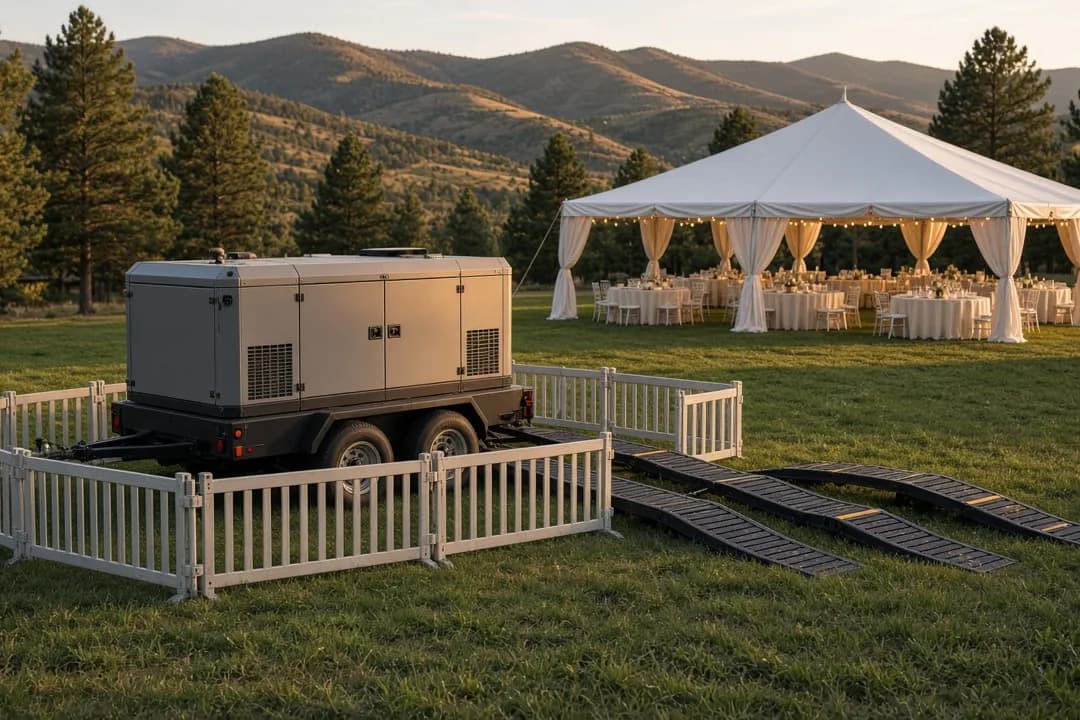
Power is the rental line item people forget until the bounce house won't inflate or the DJ asks where to plug in. Many Colorado park shelters have outlets, but cities are clear that those outlets are limited, complimentary and not guaranteed. Once you add a generator, fire codes decide where it can sit, and some cities treat it as a reason to review the whole event.
This guide covers when to plan for a generator, where fire districts require it to go, the city permits it can trigger and the questions to ask before booking. Rules vary by city and fire district, so confirm the details for your site.
Don't Count on Park Outlets
City park rules repeat the same warning. Commerce City says shelter electricity is complimentary and not guaranteed. Parker also says electricity isn't guaranteed. Brighton lists limited electricity at some parks, and Northglenn tells park vendors that no electricity is available, so they must be fully self-contained.
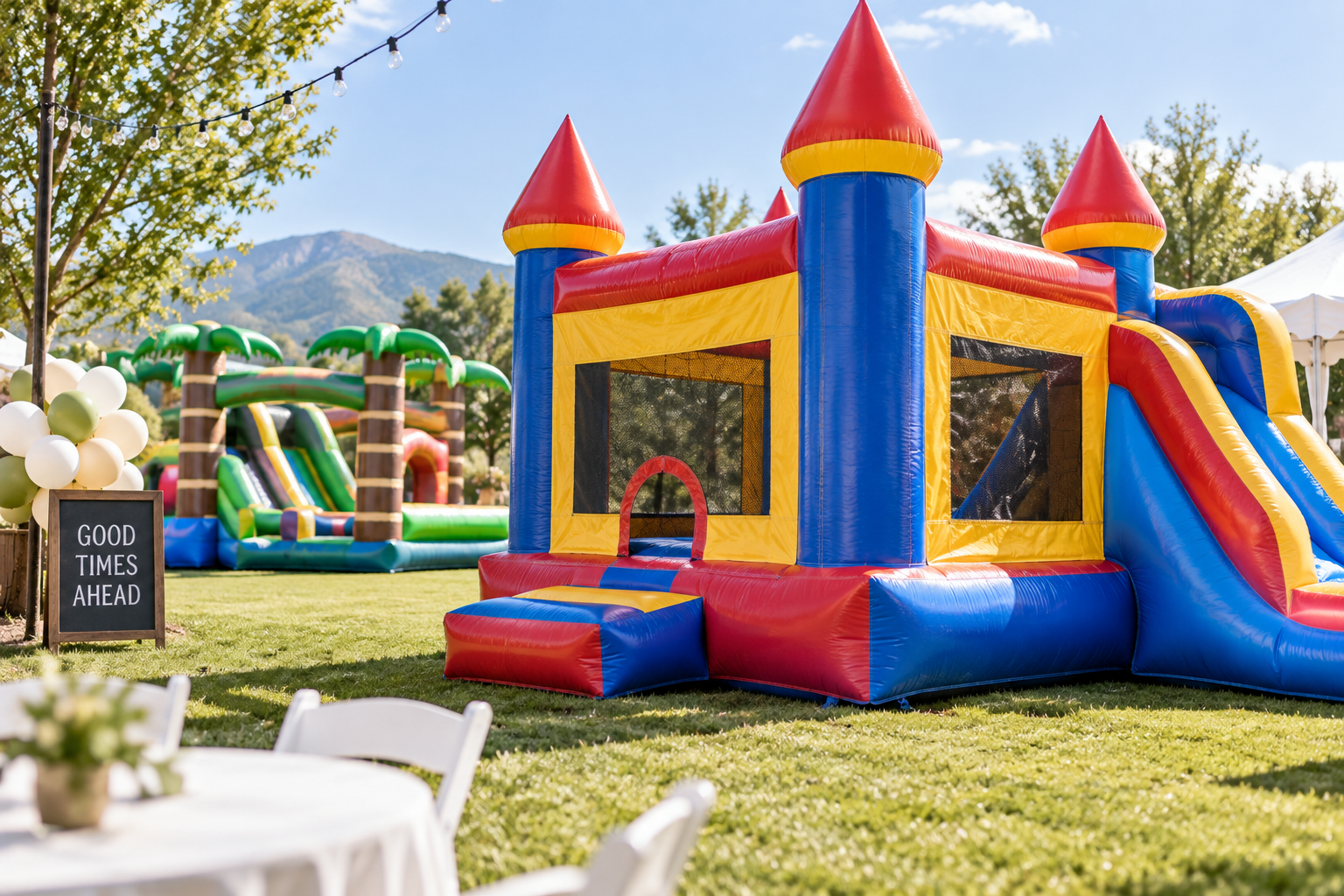
Inflatables are the clearest case. Broomfield requires a generator for inflatables in parks because park outlets don't supply enough electricity for large items. Longmont also lists a generator among its shelter requirements for bounce houses.
List everything that needs power, from blowers and speakers to coffee urns and string lights, and ask the venue what outlets exist and what they can carry. If the answer is unclear, plan a generator.
Where Fire Codes Put the Generator
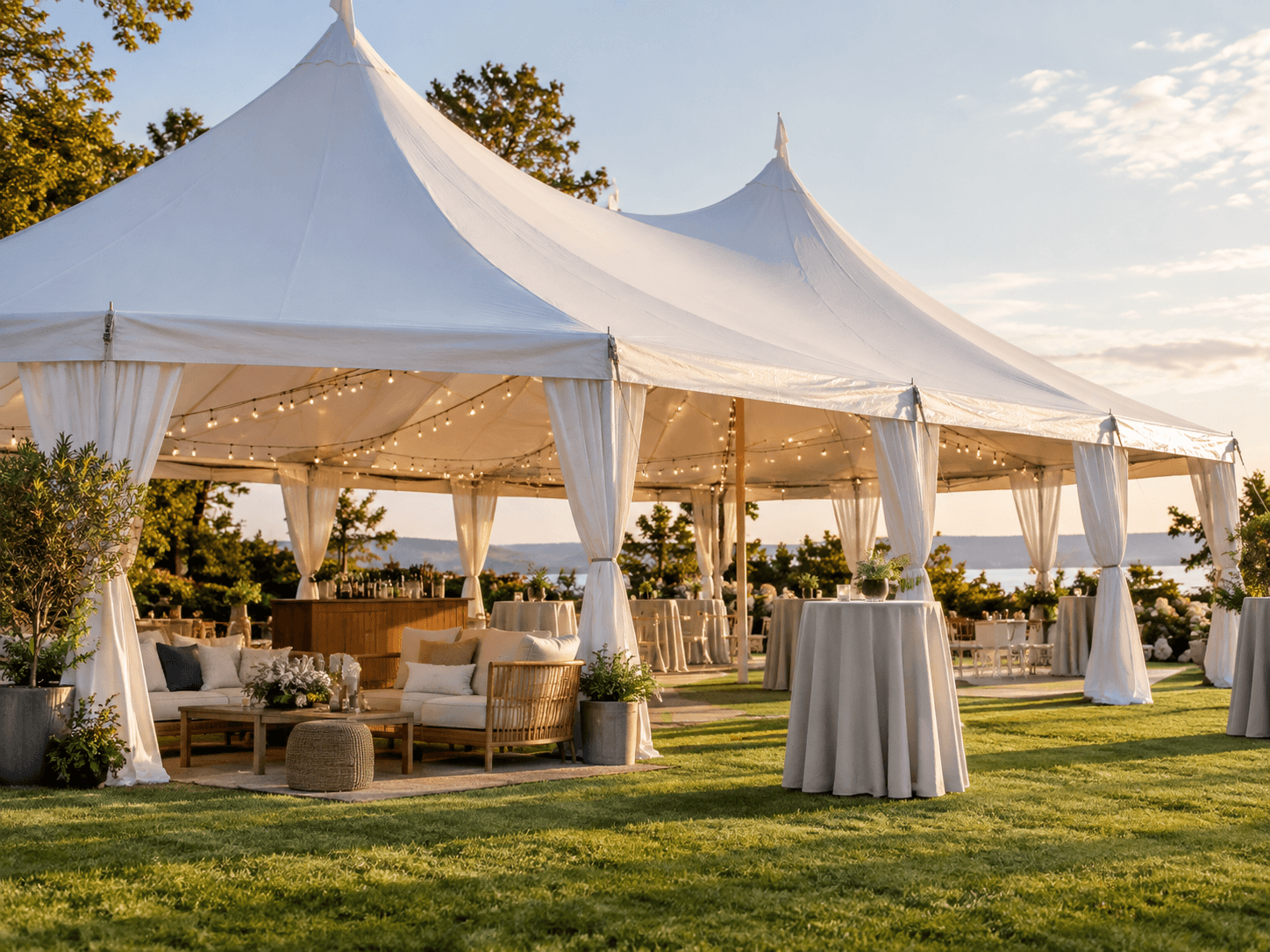
Colorado fire districts enforce the International Fire Code, whose chapter on tents and temporary special event structures keeps internal combustion engines away from tents. Brighton Fire Rescue District's event requirements, written for the 2021 code with local amendments, are a good working checklist:
- Generators and other internal combustion engines at least 20 feet from tents and temporary structures
- Generators isolated from the public by fencing, an enclosure or another approved means
- Portable generators at least 25 feet from combustibles or public areas
- No refueling while the event is open and operating
- Generators kept in safe working condition according to the manufacturer
Other districts use the same 20-foot tent clearance, as summarized on the Westminster and Windsor pages. Measure the distance when you plan the layout, not when the truck arrives, because it often decides where the generator, the cable run and the tent can go.
Permits a Generator Can Trigger
Some cities treat a generator as a sign of a bigger event:
- Commerce City
- A trailer-mounted generator requires a Temporary Event and Use Permit, even at a rented park shelter or private residence; the site plan must show the source of electricity and the generator's kilowatt rating
- Northglenn
- The City's special event Notice of Intent asks whether the event will use a generator
- Littleton
- Generators are among the items that can trigger a City Event Permit
Fuel adds a fire question of its own. Brighton Fire requires flammable and combustible liquids to be stored outside at least 50 feet from tents, with refueling in an approved location at least 20 feet away. Ask the provider whether the generator arrives with enough fuel for the whole event so no one refuels mid-party.
Cords, Cable Runs and Weather
Distance from the tent means a longer cable run through guest areas. Brighton Fire's requirements say extension and flexible cords must be grounded, listed and properly rated, can't be run through walls, under doors or floor coverings, and must be protected from physical damage. In practice that means covered cable ramps where people walk and a route planned around aisles and exits.
- Route cables away from exits and service paths
- Use cable ramps or covers anywhere guests or carts cross
- Keep connections off wet ground and out of irrigation zones
- Plan for lightning: the National Weather Service advises getting indoors when thunder roars, and generator and sound crews should stop work in a storm
Questions to Ask the Rental Company
- What size generator do you recommend for this equipment list, and what is its kilowatt rating?
- Is it portable or trailer-mounted?
- Will it run quietly enough for the venue and the neighbors?
- Does it arrive fueled for the full event, or will it need refueling?
- Do you supply cords, distribution boxes and cable ramps?
- Can you provide fencing or a barrier to keep guests away from it?
- Who handles any permit or site plan the city or fire district asks for?